We measure how much your room echoes. Then we tell you exactly what to add to fix it.
Youcan'thearawordinhere.
We measure the echo. Then we tell you what to add — and how much — to fix it.
It isn’t the speaker and it isn’t your hearing. It’s the room. Drag the slider and fix it — the sound, the light and this sentence all run off the same number.
You have been in this room.
A hard room hands every word back to you a fraction of a second late, on top of the next one. That overlap is what destroys speech — which is why raising your voice makes it worse, and why the back three rows give up.
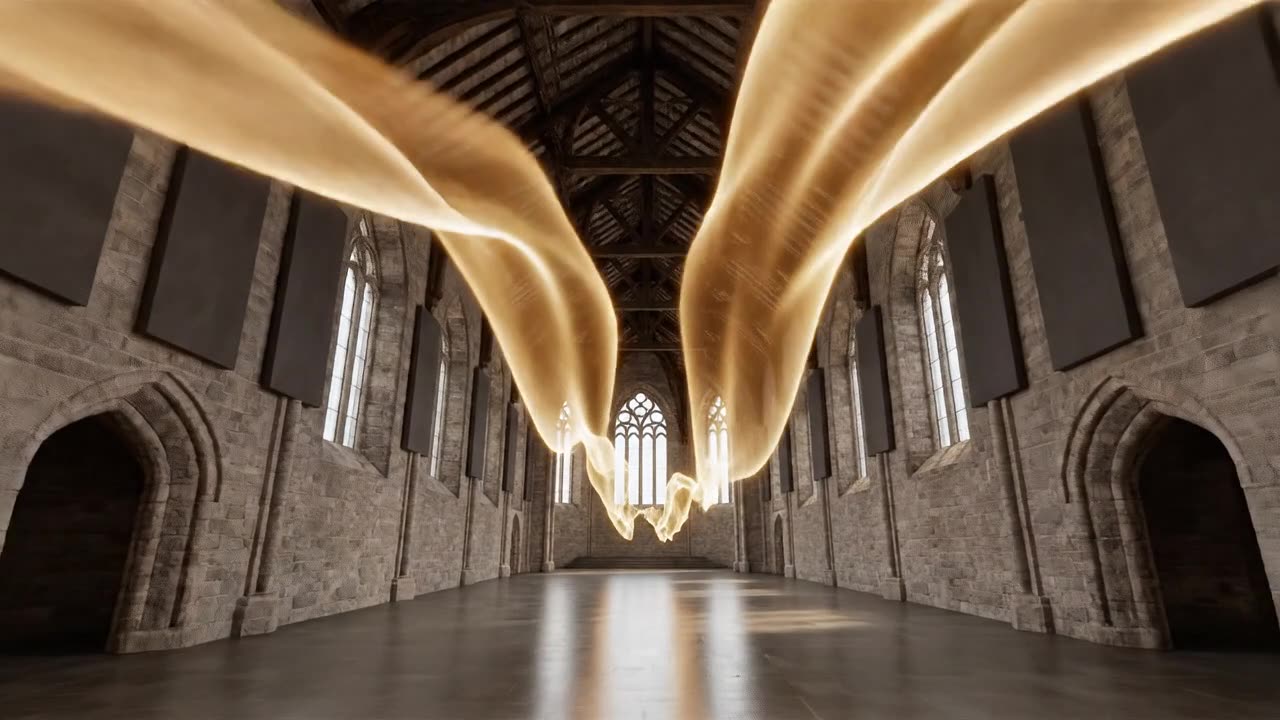
Stone, timber and nothing soft. Nobody hears the announcements.
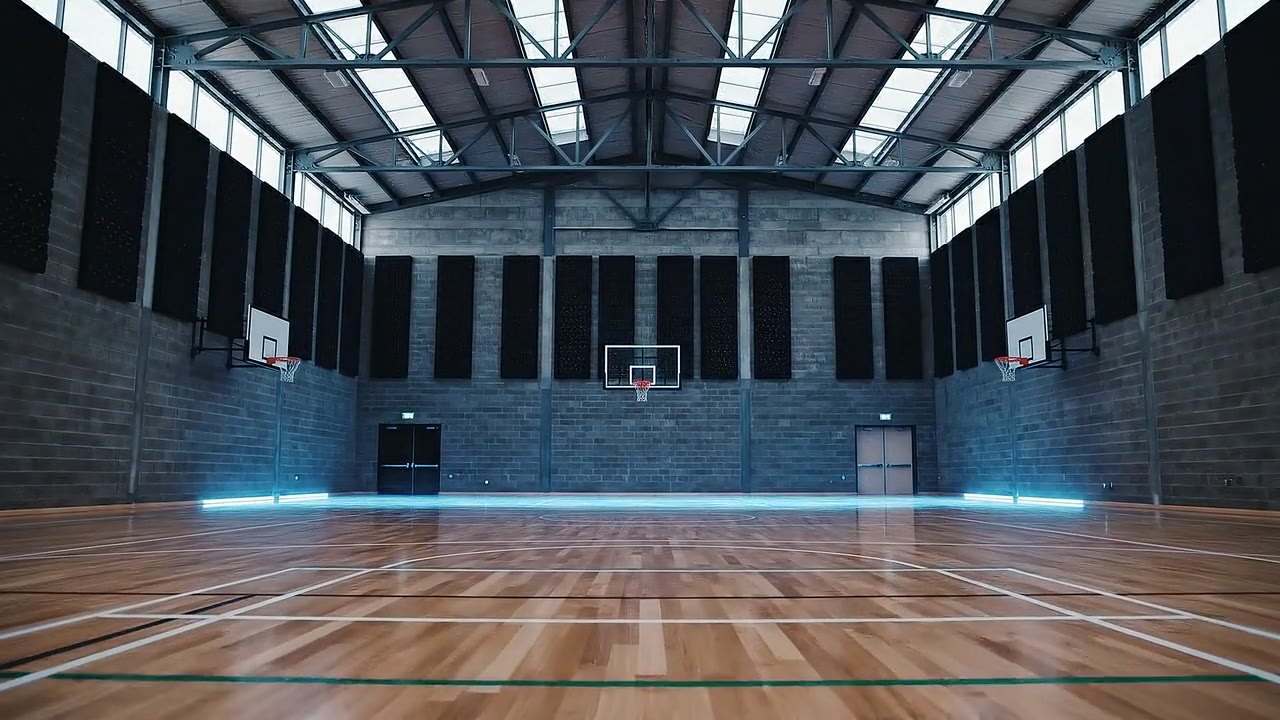
Blockwork and a metal deck. Staff finish the day hoarse.

It photographs beautifully. Diners lean in to be heard.
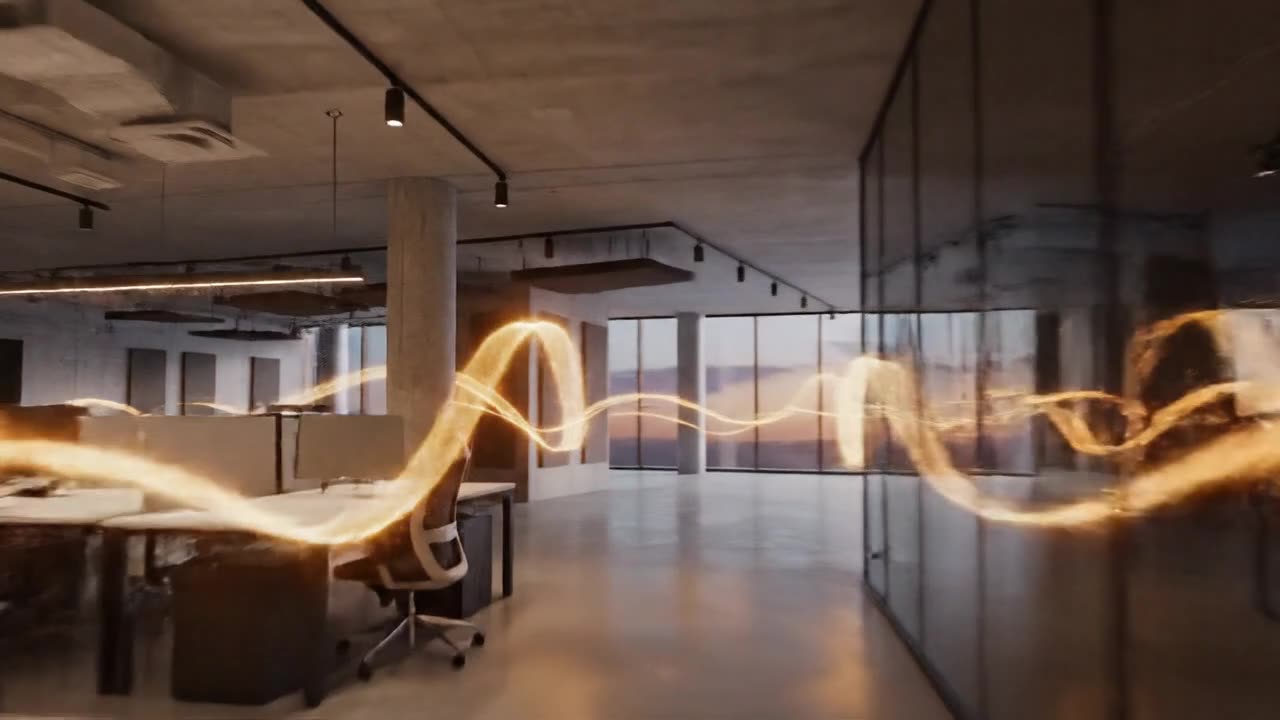
Every call carries across the floor to everyone else.
Stone, timber and nothing soft. Nobody hears the announcements.
Sound doesn’t stop when you do.
It keeps arriving from every surface until something absorbs it. How long that takes is the only number that matters, and every room on earth has one.
Every room on earth has one. Almost nobody has seen theirs.
Typical values for these room types — not measurements of these buildings.
Four questions. Sixty seconds.
No survey, no site visit, no acoustics knowledge. Standing in the room, on your phone, is the intended way to use it.
What kind of room?
Pick the closest one. We set the right target for that use — a hall used for speech is not judged like a music room.
Roughly how big?
Length, width, height. A tape measure is plenty; the answer barely moves for small errors.
What can you see?
Floor, walls, ceiling. Hard floor or carpet, plaster or brick, tiles or timber. No acoustics knowledge needed.
That's it.
You get the number, whether it passes, how bad the speech is, and every way to fix it with the areas involved.
We don’t sell panels. So we tell you all of it.
Almost every acoustics calculator on the internet belongs to somebody who sells absorption, so the answer is always their product. Absorption is absorption: carpet, curtains and upholstered seating count too, and for a lot of rooms a combination is cheaper and far less intrusive.
We are paid £34.99 by you, and nothing by anybody else. That is the whole business model, and it is why the list on the right has five things on it instead of one.
A church hall at 4.53 s, brought to target. Any one of these, or a mix.
- Class-A ceiling panelsFastest206 m²
The fastest route. Ceiling area is usually free and doing nothing.
- Fabric wall panels180 m²
83% of the job, where the ceiling can't be touched.
- Carpet and thick underlay240 m²
78%, and it fixes footfall noise at the same time.
- Heavy lined curtains154 m²
Half the job, and nothing gets fixed to a wall.
- Upholstered chairs120 seats
34% on their own — absorption that arrives as furniture.
Clap once. See a rough guess in five seconds.
Your microphone, not a lab. This is a fun, rough browser guess — noise, mic quality and where you're standing all throw it off. The real prediction below is standards-based (Sabine/Eyring, IEC 60268-16) and doesn't depend on your laptop's microphone.
Not a guess.
Not a gut feeling.
A calculation.
Sabine and Eyring did the maths a century ago. We just put it in your pocket.
One room, or every room.
Seeing whether your room has a problem is free. You pay when you want the figures, the report, and every way to fix it.
- Your answer in sixty seconds
- A branded report to hand over
- Every way to fix it, with areas
- No account, no subscription
- Every project, every room
- Checked against the standard your client quotes
- Saved schemes and side-by-side comparisons
- Clarity seat by seat, not one number per room
- Finds the one late reflection that ruins a row
- Ray-traced detail where statistical is not enough
Nothing to subscribe to if you only need one room. £34.99, once, report included.
Know your echo.
Four questions. Sixty seconds. Free to see whether you have a problem.
Check my room →