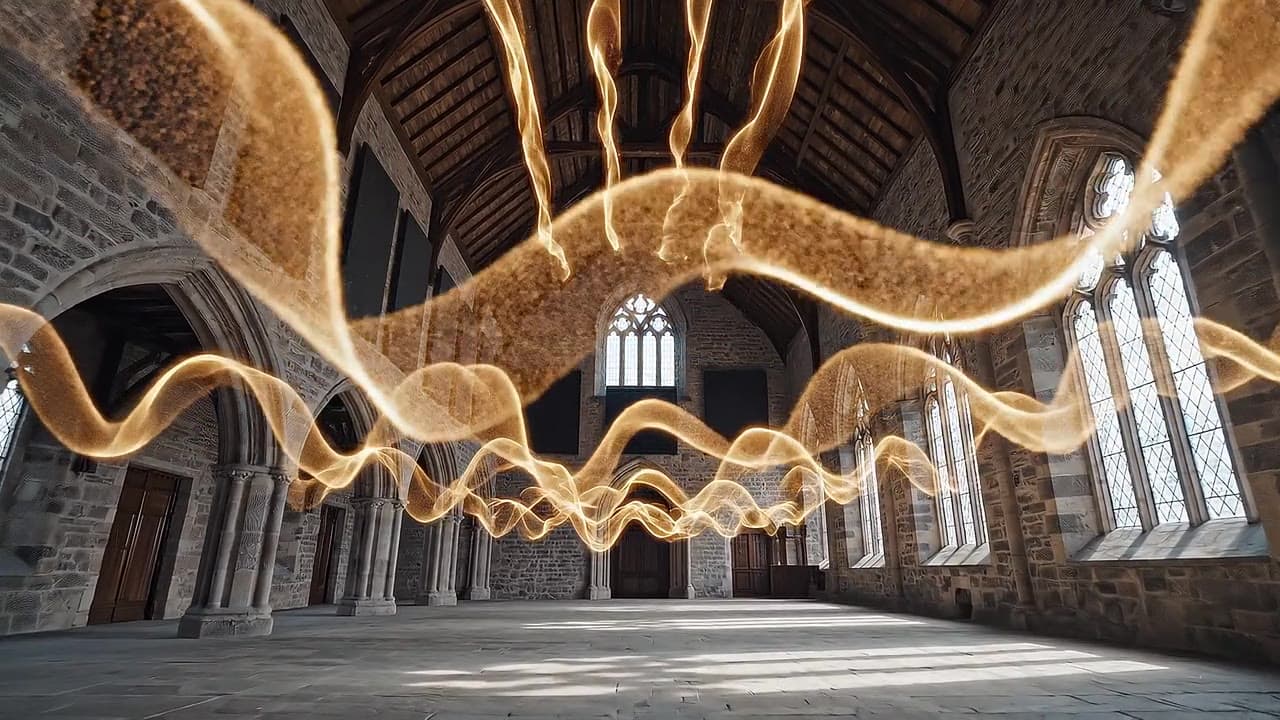
If you have read anything about room acoustics, you will have met reverberation time, often written RT or RT60. It is the most widely used single figure for describing how a room sounds, and most acoustic standards set a target for it. Here is what it means, without the maths.
The simple version
Make a sharp sound in a room and then stop. The sound does not vanish at once. It bounces off the walls, floor and ceiling, losing a little energy at every bounce, until it fades away. Reverberation time is how long that fading takes. Strictly, it is the time for the sound to drop by 60 decibels, which is roughly the difference between a loud voice and near silence, hence the 60 in RT60. A short reverberation time means a dry, controlled room. A long one means a lively, ringing room.
In practice nobody waits for a full 60 decibel drop, because background noise gets in the way. Measurements usually time a smaller drop and scale it up, following an international measurement standard, ISO 3382. The answer is still reported as a single time in seconds.
Why it matters
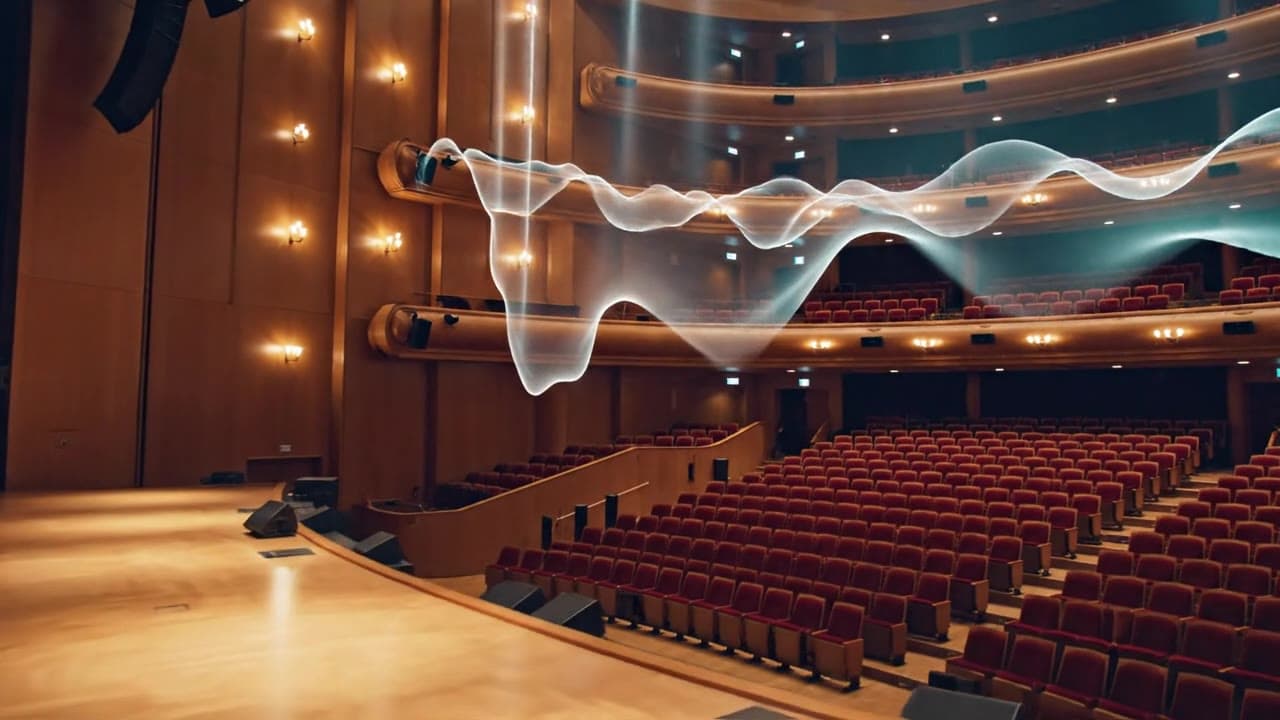
Speech is a stream of short sounds. When reverberation is long, the tail of one syllable is still hanging around when the next arrives, and words blur together. Listeners strain, talkers raise their voices, and the room gets louder overall. This is why reverberation is linked so closely to how tiring a classroom, restaurant or meeting room feels. Music is different: a concert hall or a church organ often benefits from more reverberation, which is one reason the right figure depends on what the room is for.
What makes it longer or shorter
Two things dominate. The first is size: bigger rooms, especially taller ones, take longer for sound to die away, because each bounce travels further. The second is how much sound the surfaces absorb. Hard, smooth materials such as plaster, glass, tile and concrete reflect almost everything. Soft, porous materials such as acoustic ceiling tiles, fabric panels, heavy curtains and upholstery soak sound up. People absorb sound too, which is why a full room sounds calmer than an empty one.
Reverberation also varies with pitch. Most rooms hold on to low, bassy sound for longer than high sound, because many common absorbers work better at higher frequencies. That is why a single quoted figure is usually an average across the middle frequencies, and why thin treatment can leave a room sounding boomy even when it seems fixed.
Is there a right number?
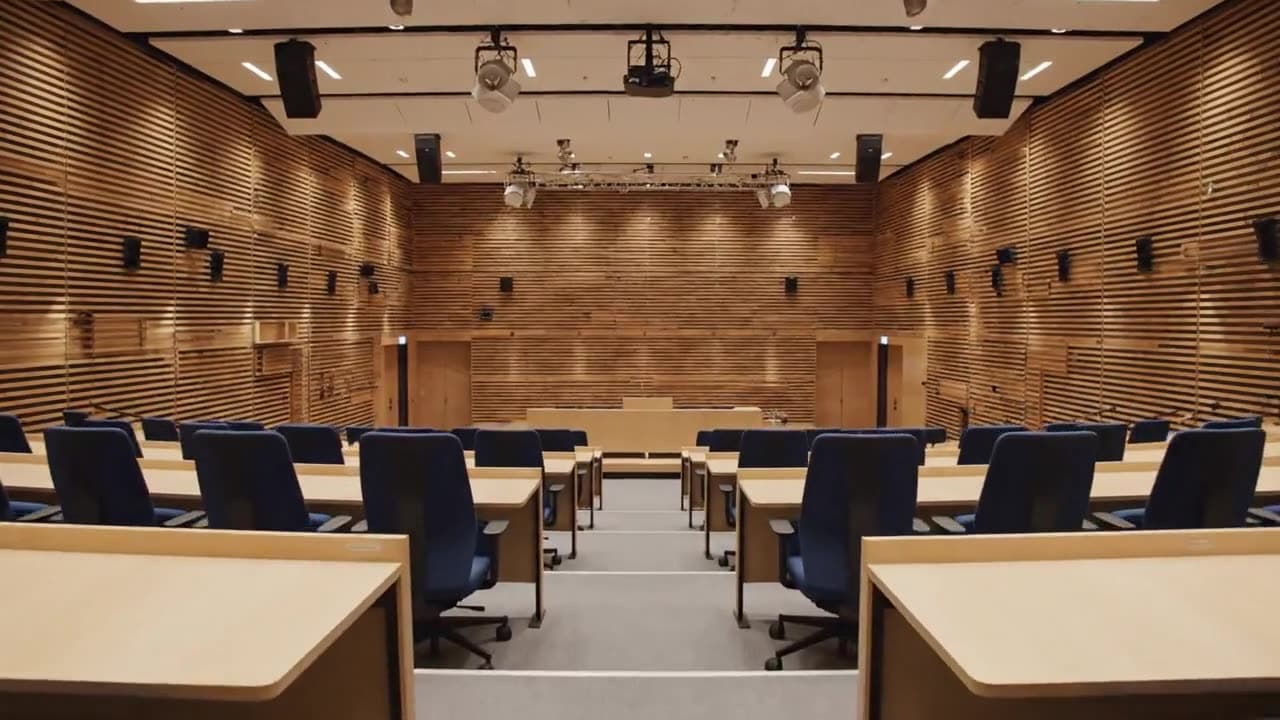
There is a sensible range for each kind of room, and it depends on use and size. A room for speech, such as a classroom or meeting room, wants a fairly short time. A sports hall is allowed longer. A space for worship or music may want longer still. Several countries set targets in published standards, for example BB93 for schools in England, ANSI/ASA S12.60 for classrooms in the US, DIN 18041 in Germany and AS/NZS 2107 in Australia and New Zealand. Those targets differ in detail, so the useful question is never just “what is my reverberation time?” but “what should it be for this room, under the standard that applies?”
Measured or predicted?
You can measure reverberation time in an existing room with the right equipment, or predict it from the room’s size and finishes before anything is built or changed. Prediction is what lets you compare options on paper: what happens if you treat the ceiling, what if you add wall panels instead, and how much is enough. Long-established prediction methods, such as those named after Sabine and Eyring, work well for ordinary rooms. Very large, unusually shaped or unevenly treated spaces may call for more detailed modelling.
Echo, reverberation and a few common mix-ups
Strictly speaking, an echo is a distinct repeat of a sound, like a shout bouncing back from a cliff, while reverberation is the smooth tail of many reflections blending together. In everyday speech people call both echo, and that is fine: an echoey room almost always means a room with too much reverberation.
Two other mix-ups are worth knowing. A long reverberation time does not by itself mean a room is loud, though a busy room with a long reverberation time usually becomes loud because everyone speaks up. And reducing reverberation inside a room does not stop sound passing through its walls, which is a separate problem with separate fixes.
Putting it to use
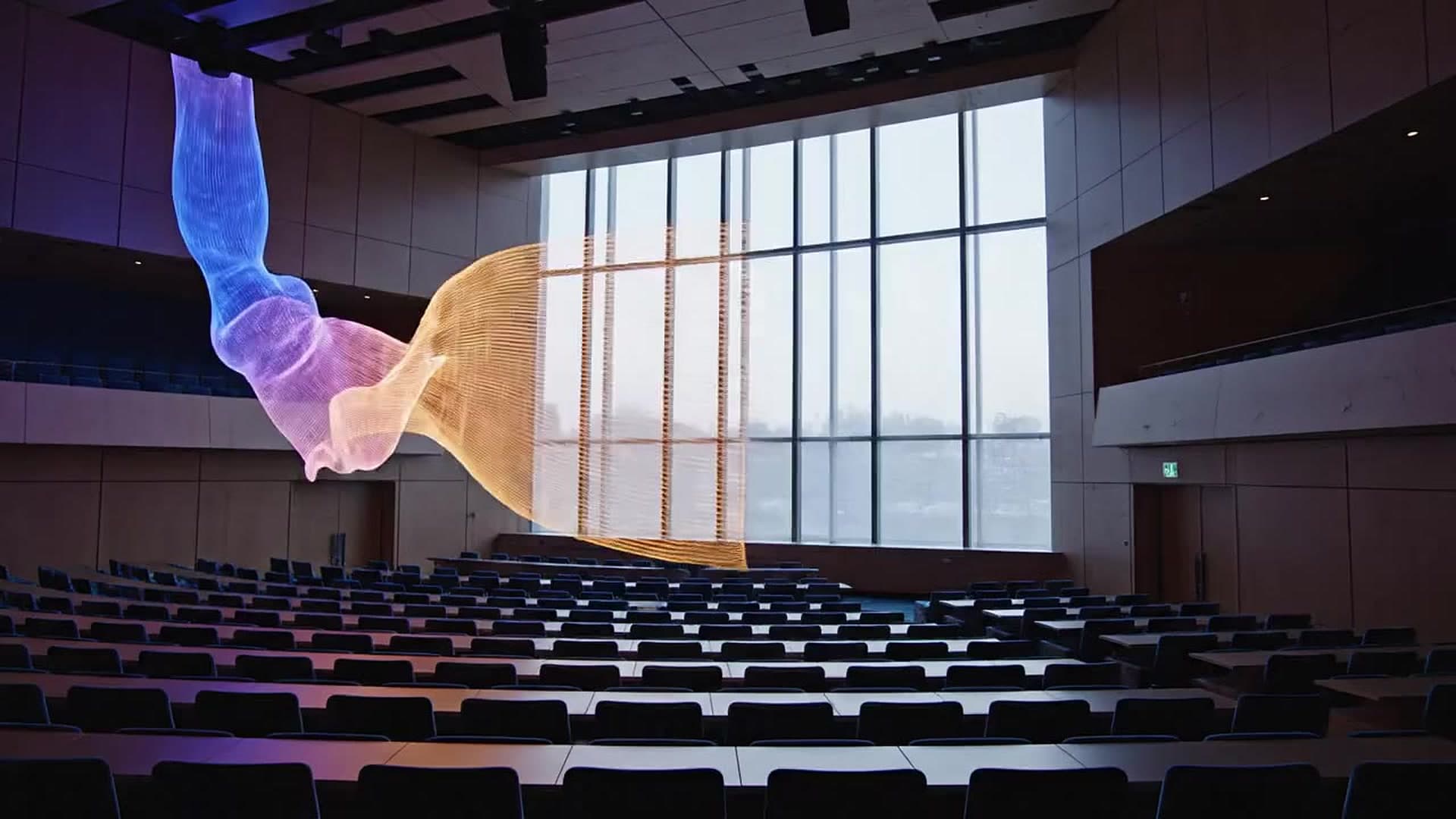
Echo, from AcoustaPLOT, predicts the reverberation time of your room from its size and finishes, sets it against a target for the room type, and compares practical ways to improve it. If you would rather see how a room behaves before reading any more, the free demo is a good place to start, and the glossary covers the other terms you are likely to meet.
Echo is an indicative design guide, not a guarantee of performance or a substitute for a consultant where one is required.