What an estimate is
Reverberation time is how long sound lingers in a room after the source stops. An estimate works it out from the plan of the room rather than from the room itself: how big it is, what its surfaces are made of, and what is in it. That is enough to separate a small carpeted office from a bare hall with a high ceiling, and to show whether adding absorption is likely to make a real difference.
What decides the answer
Three things matter most. Anything that changes one of them changes the result.
The size of the room
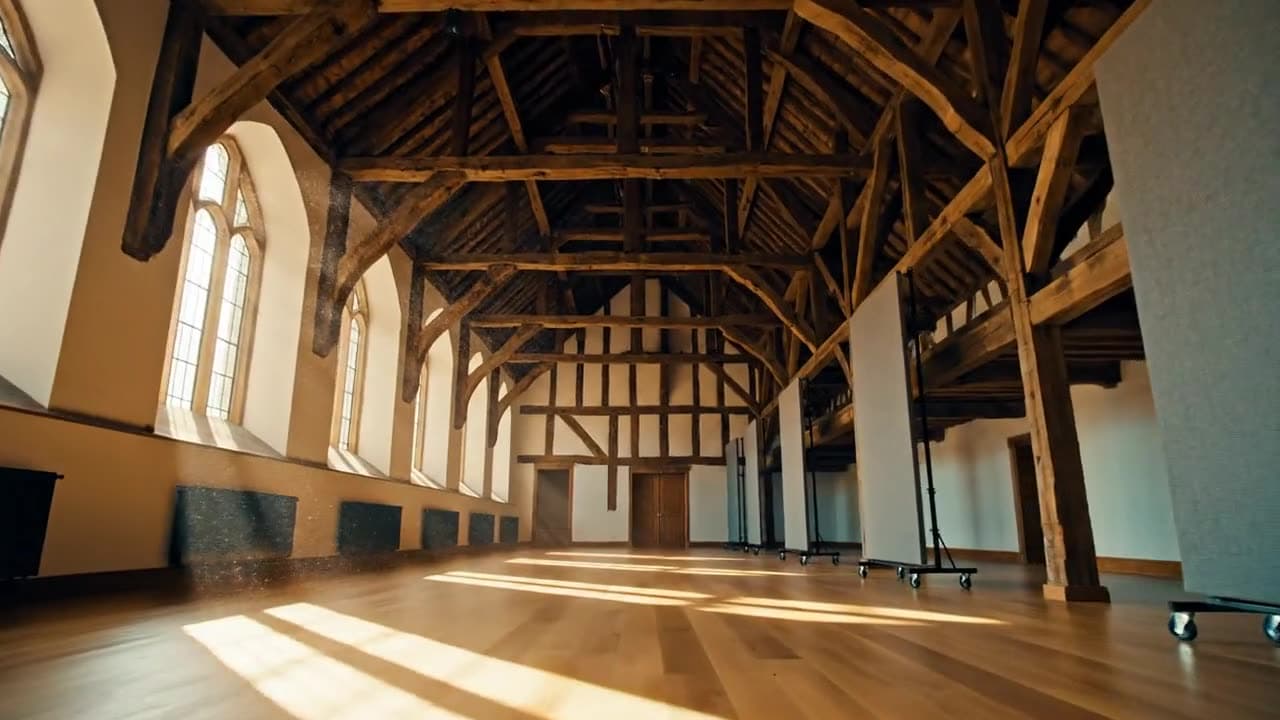
More air means sound takes longer to fade.

The hard surfaces
Glass, plaster, concrete and timber floors keep sound alive.
What is already soft
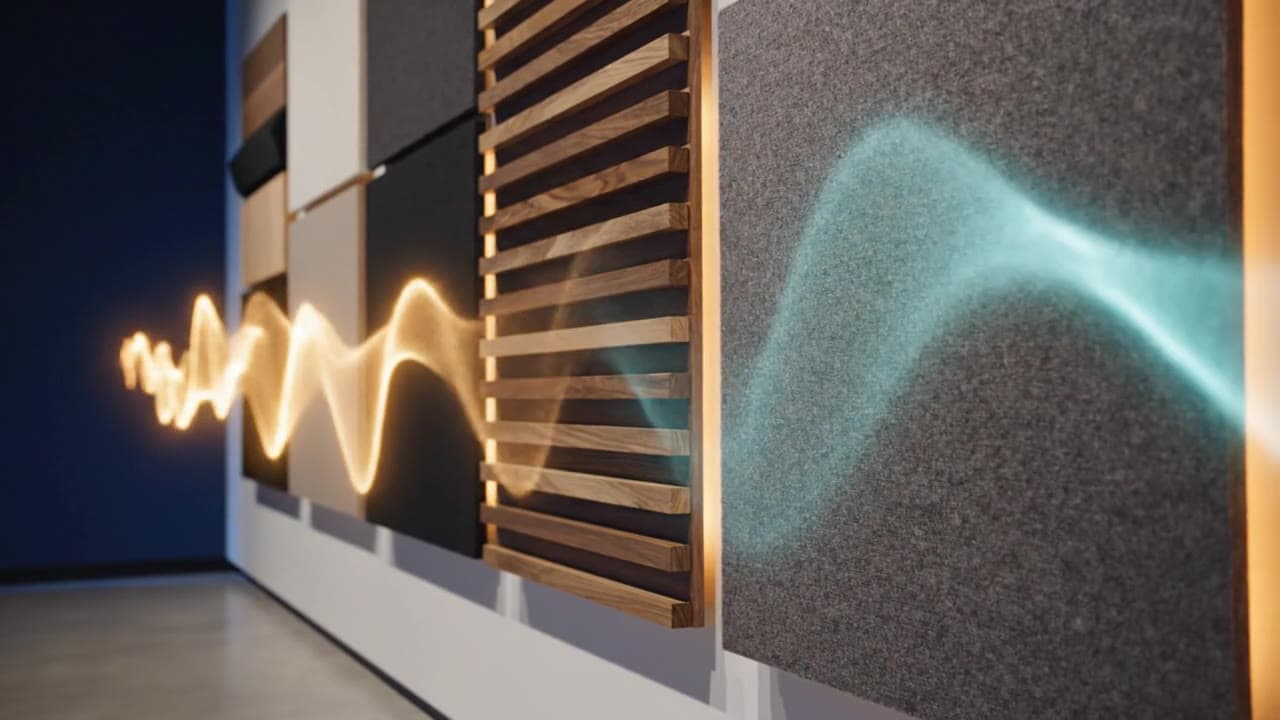
Carpet, curtains, upholstered seating and people.
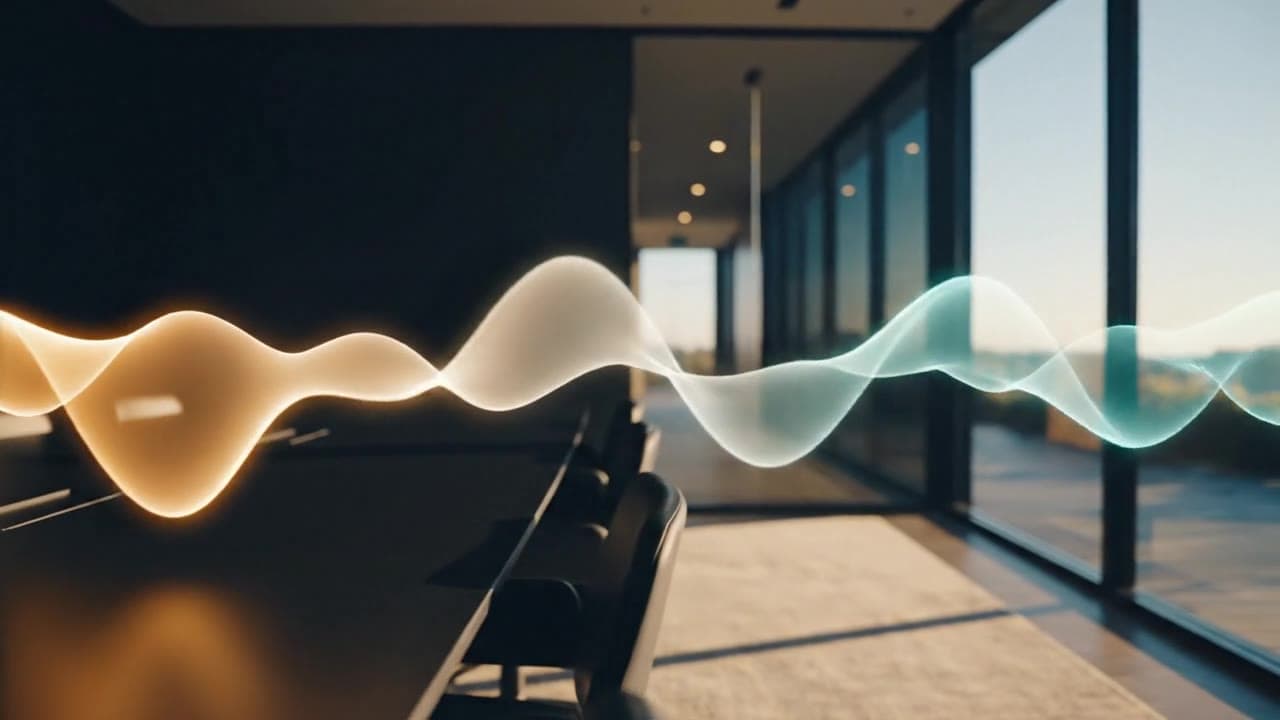
Images are visualisations of sound moving through a room, not measurements.
Try the clap test
Clap once, then listen to the tail
Stand in the middle of the room, clap sharply, and listen to what follows. A quick, dry stop suggests the room is already soft. A ringing, fluttering tail that hangs in the air suggests hard surfaces are doing the work. It is not a measurement, but it tells you whether reverberation is worth looking into.
What an estimate cannot tell you
It cannot see the real room. Odd shapes, large furniture, open doors, a mezzanine, a ceiling that looks flat but is not, or finishes that differ from the datasheet can all move the real result. Where the absorption sits, overhead or on the walls, can also matter, and a single whole-room figure does not fully capture that. That is why an estimate is a design guide, not a guarantee.

An estimate starts the conversation. A measured survey confirms the result.
Estimate or measurement?
Deciding
- Choosing between treating a room and leaving it alone
- Getting a sense of scale before you speak to a supplier
- Comparing two ways of fitting out a space
- Checking whether the problem is reverberation at all, or noise coming from somewhere else
Proving
- A result has to be proved, for example for a contract, a regulation or a dispute
- The room has an unusual shape or use
- An earlier fix has not worked
In those cases a measured survey confirms the result.
Before you ask anyone
Whoever you speak to, a supplier, a designer or a consultant, you will get a better answer if you can say:
- 1What the room is used for. Speech, music, dining and teaching all want different things.
- 2What the problem sounds like. Echo, general noise, or voices hard to follow.
- 3How big it is and what it is made of. Rough dimensions and the main finishes.
- 4What is already soft. Carpet, curtains, ceiling tiles, furniture.
- 5What has been tried. And whether it helped.
Where AcoustaPLOT Echo fits
An indicative design guide
A few plain questions about the room, and a clear picture of how it is likely to sound and what to do about it. Ordering is not open yet; the free demo shows how it works.
An indicative design guide, not a guarantee. A measured survey confirms a result.
Echo is an indicative design guide, not a guarantee of performance or a substitute for a consultant where one is required.